

ENSV

Wild boar

Wild boar — Sus scrofa

Wild boar is once again an established part of Sweden’s fauna. New monitoring models combine several data sources to estimate population size and development. This guide focuses on the species’ return and how authorities track it.

How did wild boar become established in Sweden again?

Wild boar (Sus scrofa) historically occurred in Sweden, disappeared and was re-established in the later 20th century from animals that escaped or were released from enclosures. The Swedish Environmental Protection Agency now combines several data sources and models to monitor the population.

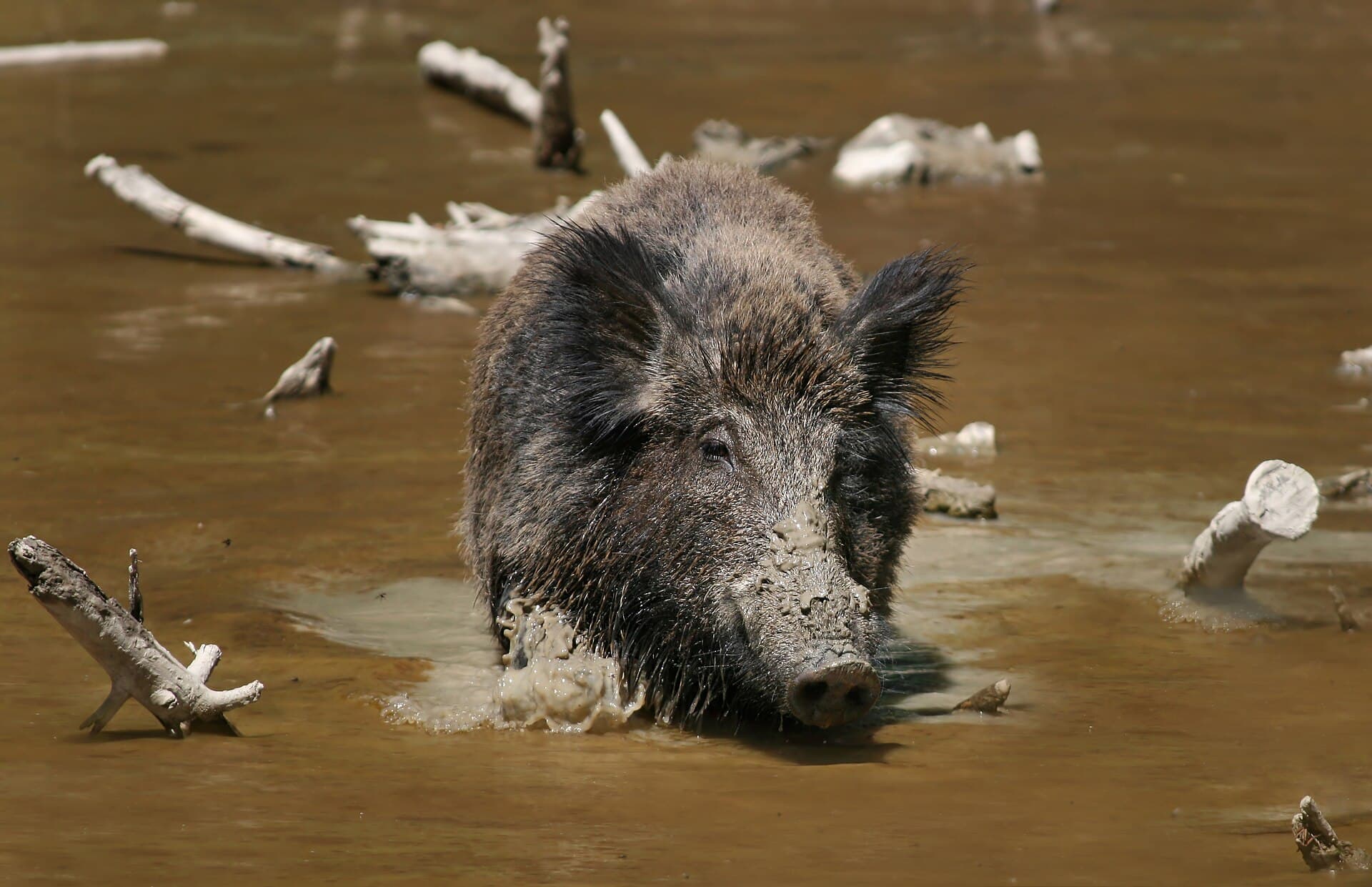
A wild boar wading through a muddy pool in the forest, showing dark bristly fur and tufted ears.
Richard Bartz, Munich Makro Freak

Source: Swedish Environmental Protection Agency: New method for estimating the wild boar population; National wild boar management plan · Last verified: 8 September 2026

Population size and distribution are dynamic; any current estimate should be rechecked before publication or use in decision-making.

A long history in Sweden

The national management plan describes wild boar as part of Sweden’s historical fauna. The species disappeared but returned through animals escaping or being released from enclosures during the 1970s.

Permanent re-establishment

In 1987 the Swedish parliament decided that wild boar had a legitimate place in Sweden’s fauna. The species subsequently expanded in numbers and range.

How the population is monitored

In 2026 the Swedish Environmental Protection Agency presented a science-based method combining hunting data, wildlife-vehicle collisions, observations and camera traps.

Why exact numbers become outdated

Wild boar populations change and estimates carry uncertainty. This guide therefore avoids presenting one population number as a permanent biological fact.