

ENSV

Wolverine

Wolverine — Gulo gulo

Wolverine monitoring in Sweden is now primarily DNA-based. This guide explains how the species is monitored, how its distribution has changed and why population estimates always need to be tied to a specific monitoring year.

How do we know where wolverines occur in Sweden?

Wolverine (Gulo gulo) monitoring in Sweden has primarily used DNA collection and capture–recapture modelling since the 2024/25 season. The species has also expanded farther into forest landscapes outside the mountain counties since the late 1990s.

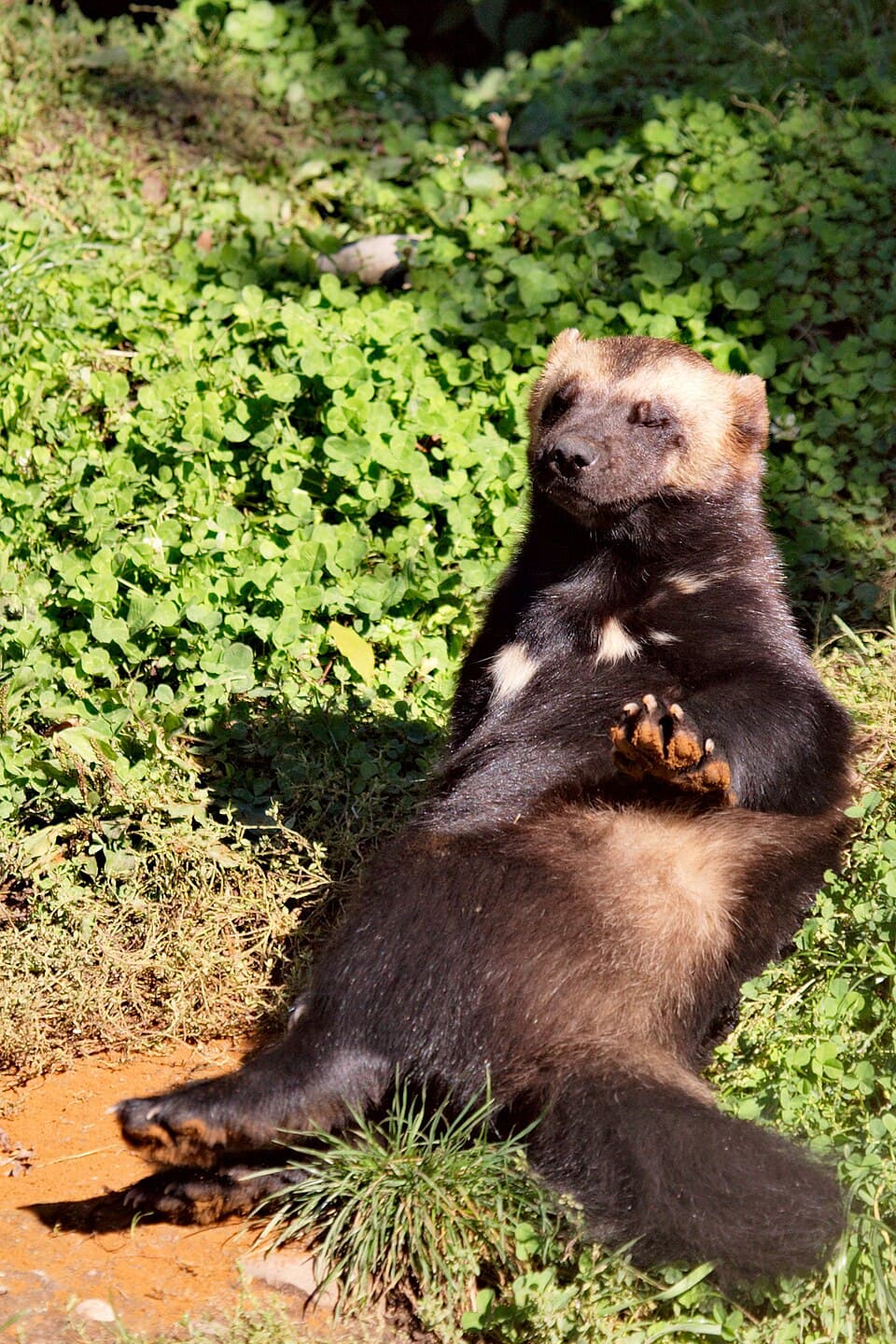
A wolverine with thick dark brown fur and a lighter side stripe, standing on all fours in a natural setting.
MatthiasKabel

Source: SLU Wildlife Damage Centre: Wolverine monitoring; Swedish Environmental Protection Agency: wolverine statistics · Last verified: 8 September 2026

Current population estimates are time-sensitive and intentionally excluded from the durable body copy.

How wolverines are monitored

SLU Wildlife Damage Centre states that Swedish wolverine monitoring since 2024/25 is based on DNA samples and capture–recapture modelling.

From dens to DNA

Earlier monitoring focused mainly on finding dens, young and tracks during late winter. DNA methods provide another way to identify individuals and estimate population size.

Changing distribution

SLU reports that a reproduction event was documented in forest country outside the mountain counties in 1999 for the first time in roughly a century, followed by continued expansion.

Reporting observations

Members of the public can support monitoring by reporting tracks and observations through Skandobs or to county administrative board field staff.