

ENSV
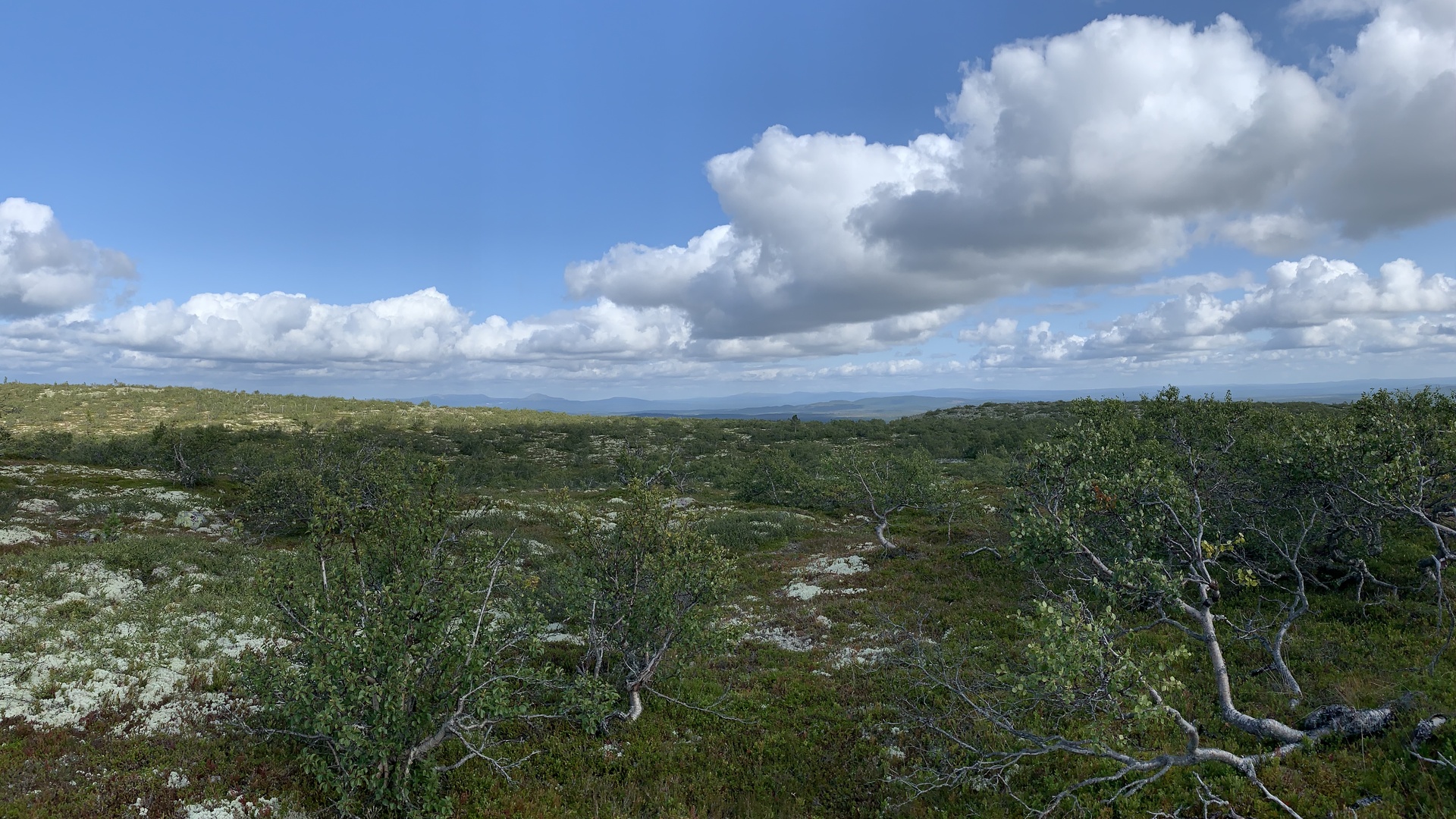
Fulufjället offers accessible southern mountain terrain, marked trails and a clear main entrance at Njupeskär. It can work for a short outing or a longer hike, but season and weather change conditions quickly.
.jpg)
Sarek is one of Sweden’s least accessible national parks and there are no roads leading into the park. A visit therefore requires independent travel in mountain terrain, careful planning and readiness for rapidly changing weather and limited mobile coverage.
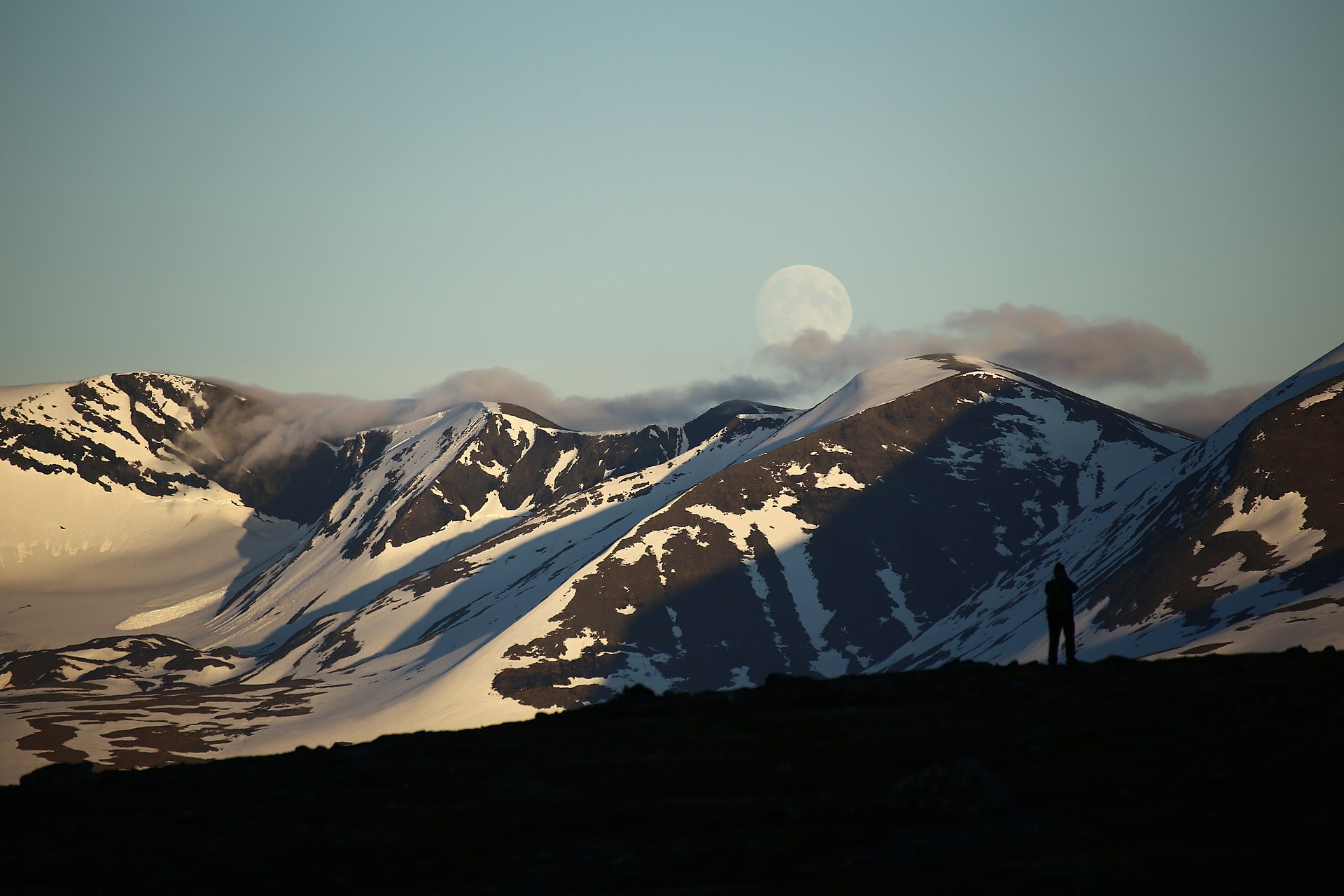
Abisko combines easy rail access with genuine mountain terrain, making it useful for both short outings and longer hikes. National-park rules still restrict camping, fires, dogs and other activities.
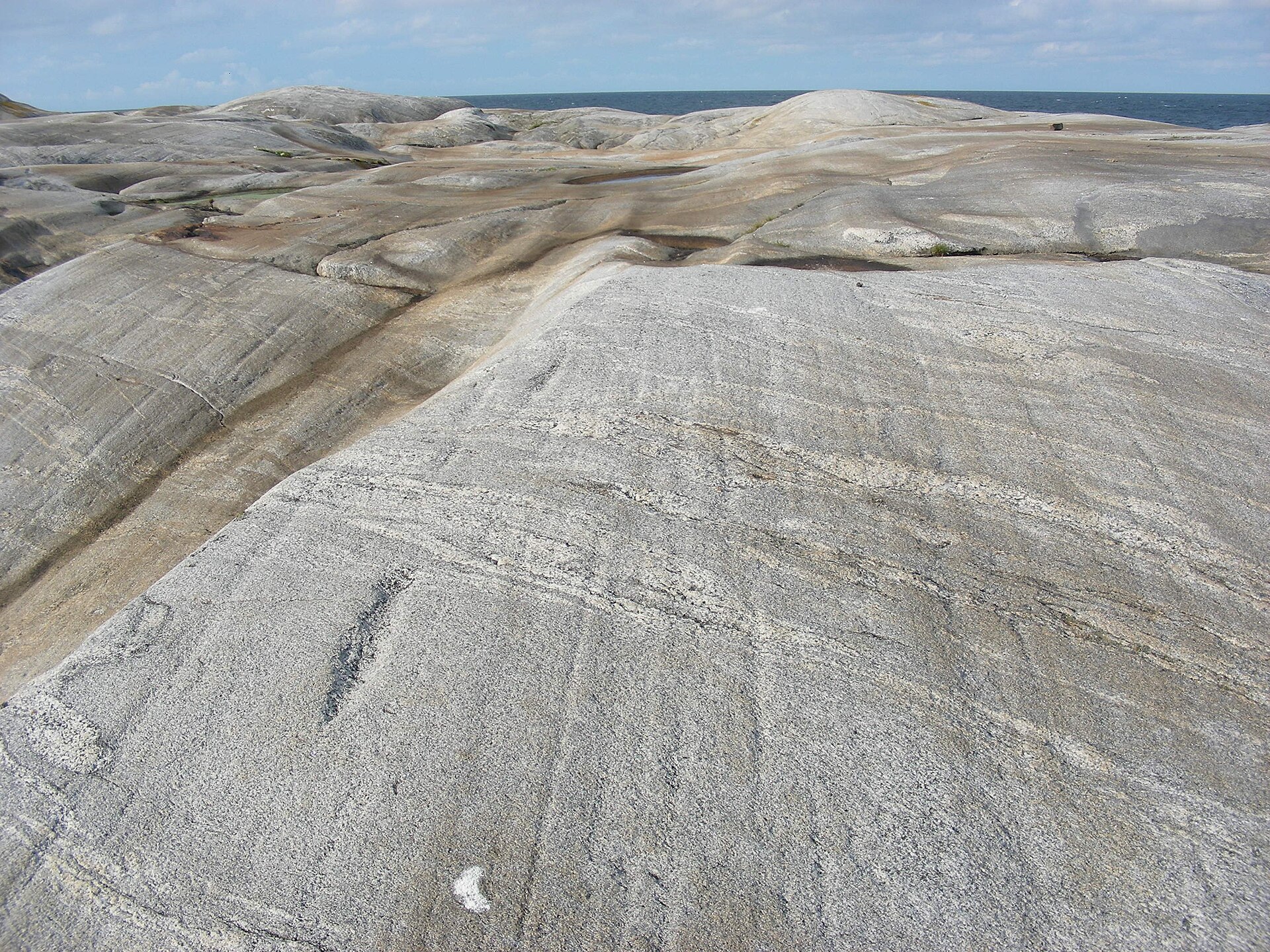
Kosterhavet is a marine national park on Sweden’s west coast with several gateways on islands and the mainland. This guide explains access, accessibility and why overnight-stay rules need to be checked before your visit.
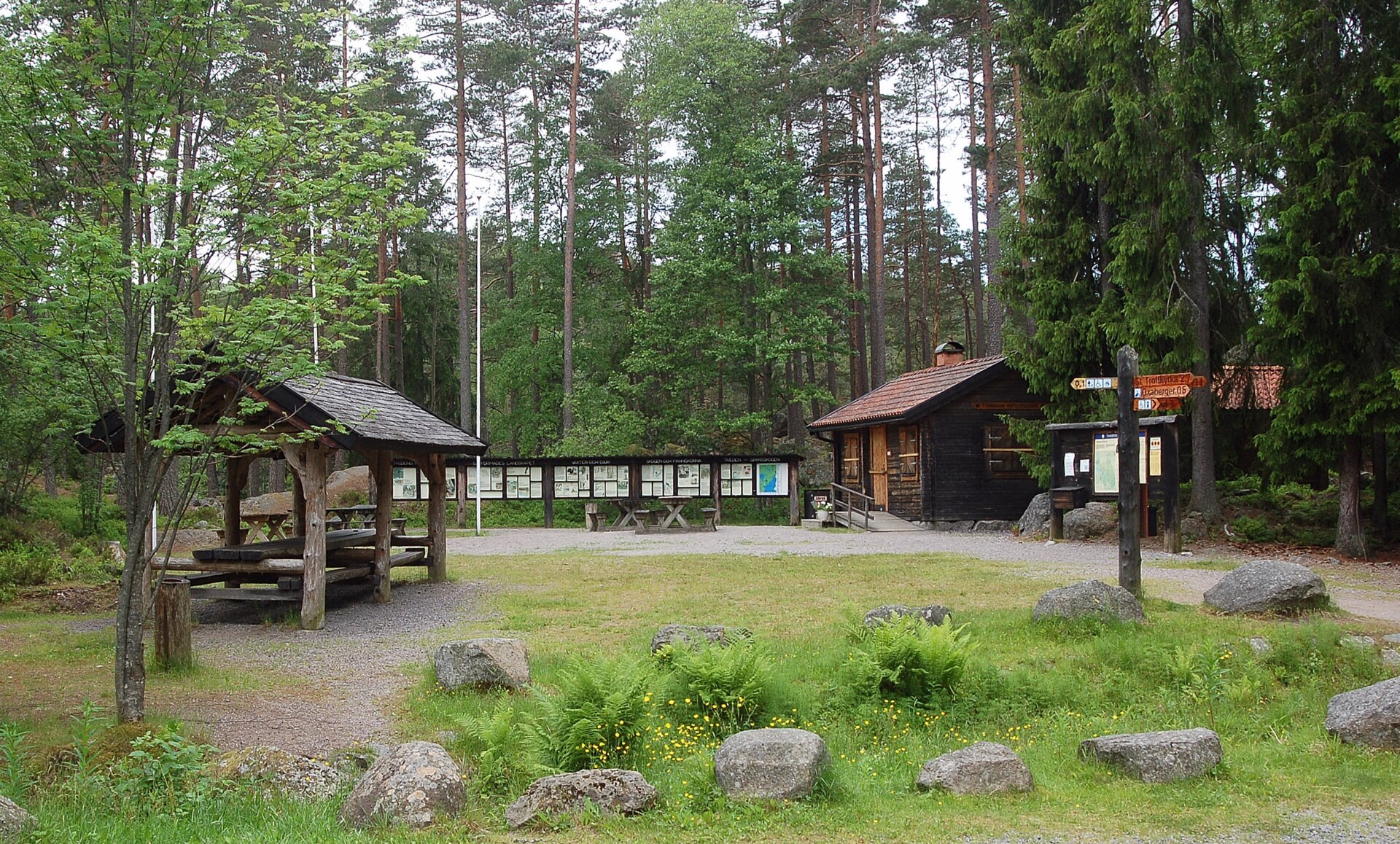
Tiveden offers rugged forest and rift-valley terrain between lakes Vänern and Vättern, with several entrances and hikes ranging from short outings to more demanding routes. Camping is tightly regulated inside the park.
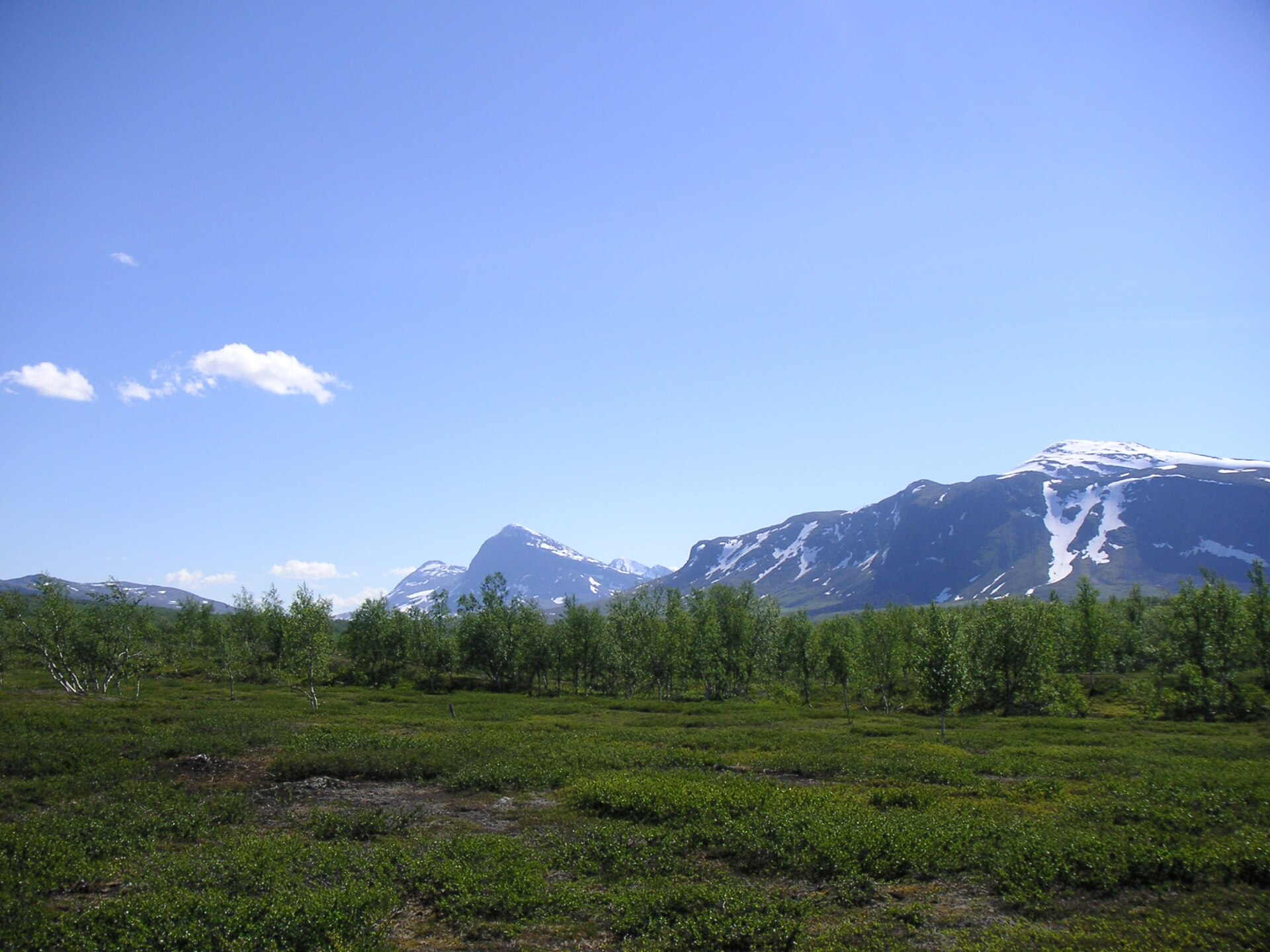
Padjelanta/Badjelánnda is farther from a public road than any other place in Sweden. A visit therefore requires planning for independent mountain travel, rapidly changing weather, weak mobile coverage and services along the trail.
.jpg)
Norra Kvill offers old forest and an accessibility-adapted route from the car park to the entrance, while terrain farther into the park can be more demanding.
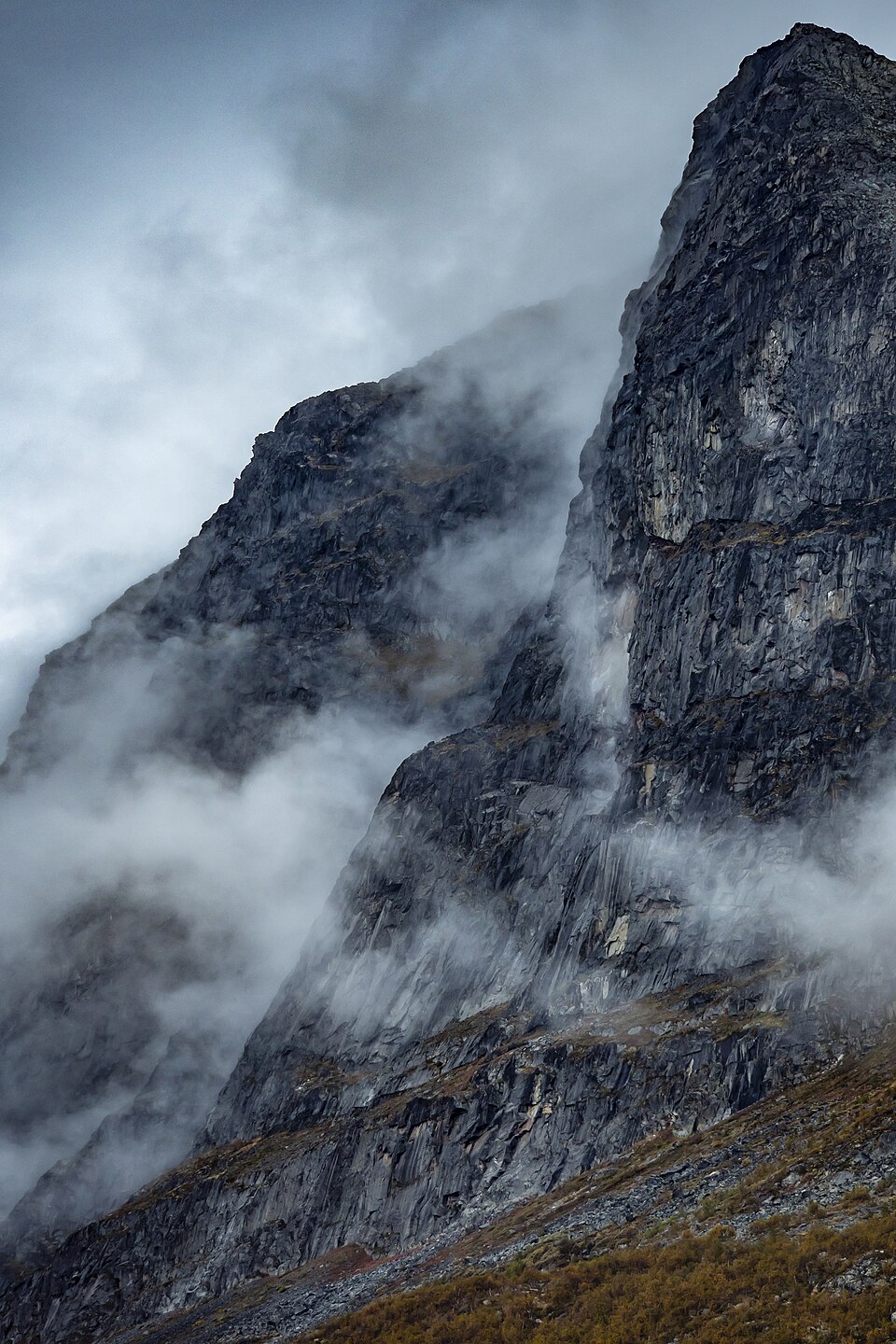
Stora Sjöfallet/Stuor Muorkke is the most accessible of Laponia’s national parks and can be reached along road 827. This makes it relevant for visitors who want to experience mountain nature without starting with a multi-day approach hike.
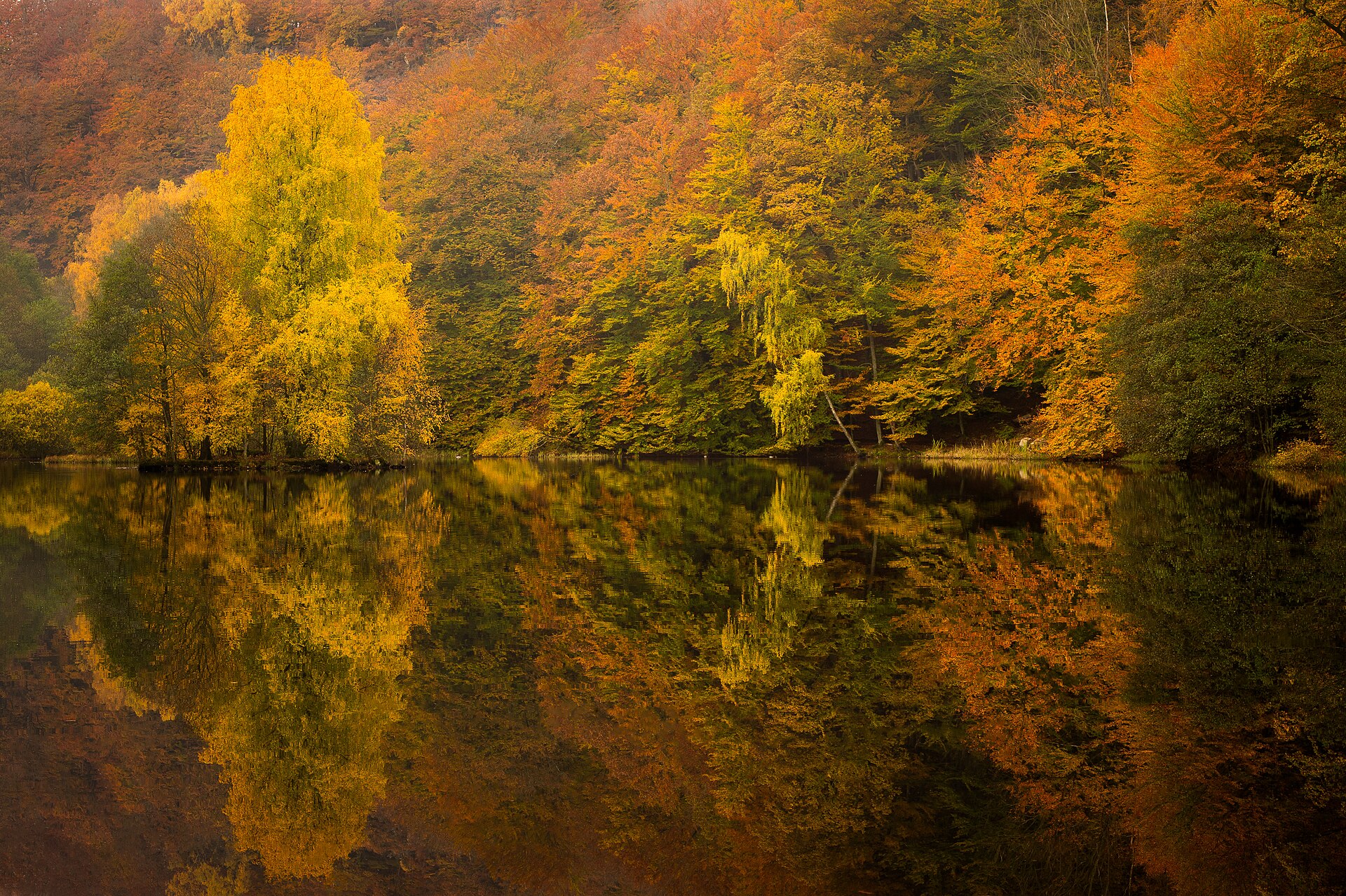
Söderåsen is comparatively easy to reach, with entrances at Skäralid and Röstånga and public-transport access. This guide helps you choose a gateway, understand available services and check the park’s specific rules.
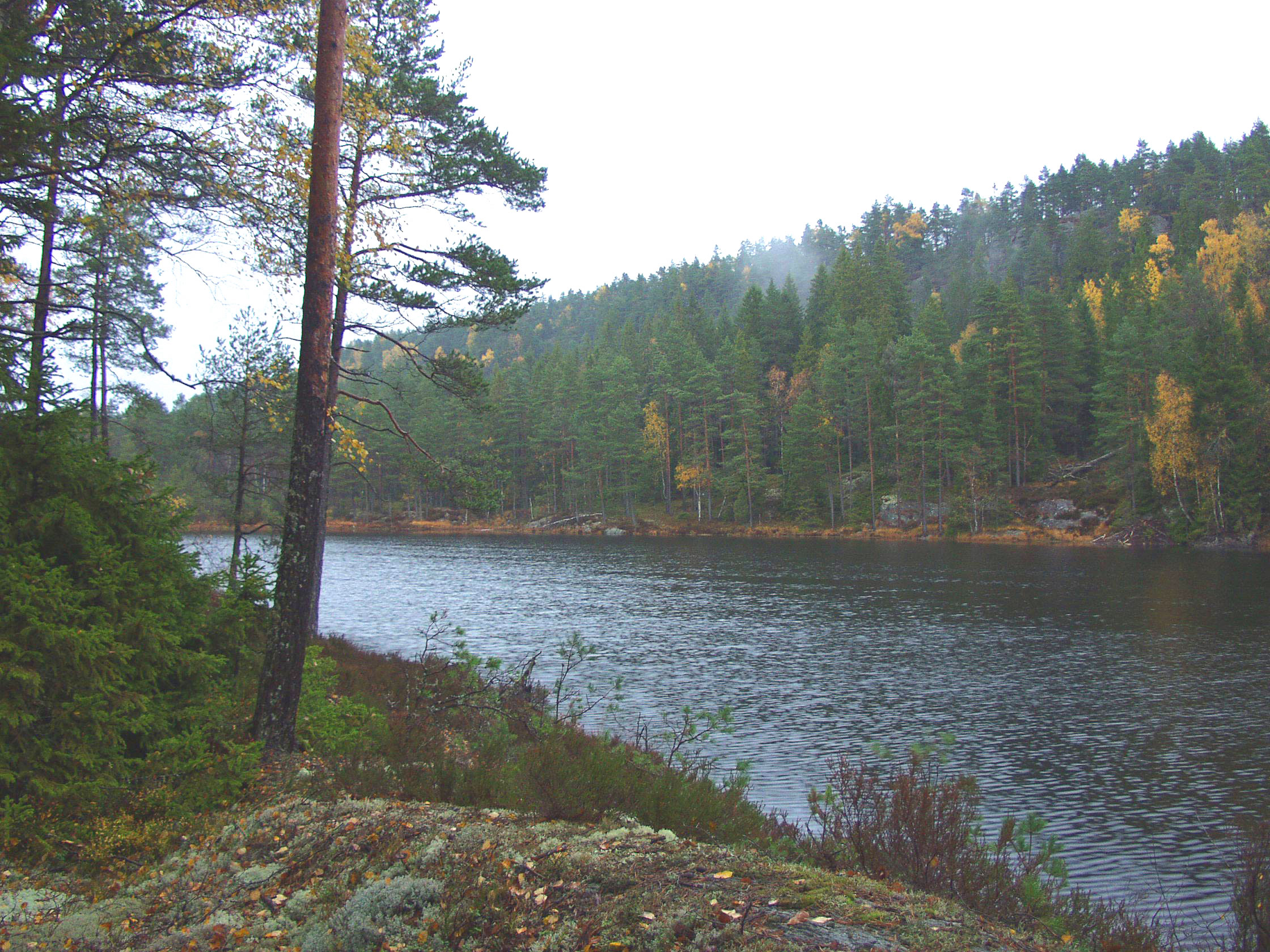
Tresticklan lies in north-western Dalsland near the Norwegian border and is relatively difficult to reach without a car. The Råbocken entrance is the simplest way in.
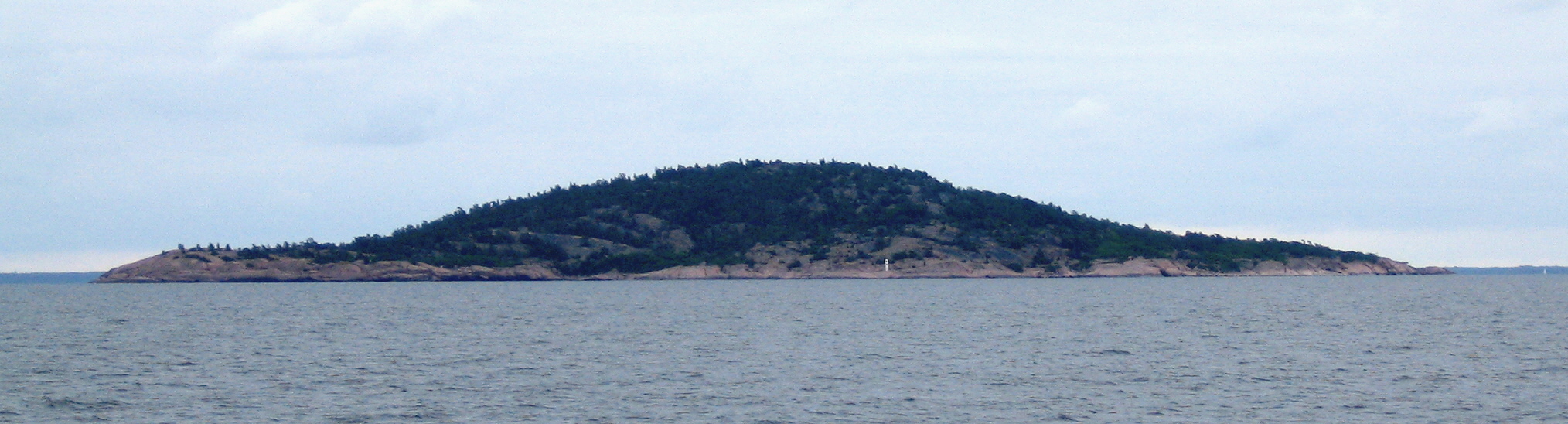
Blå Jungfrun is a rocky island where both landing and hiking can be demanding. It suits visitors prepared for steep, rocky terrain and boat-dependent access.
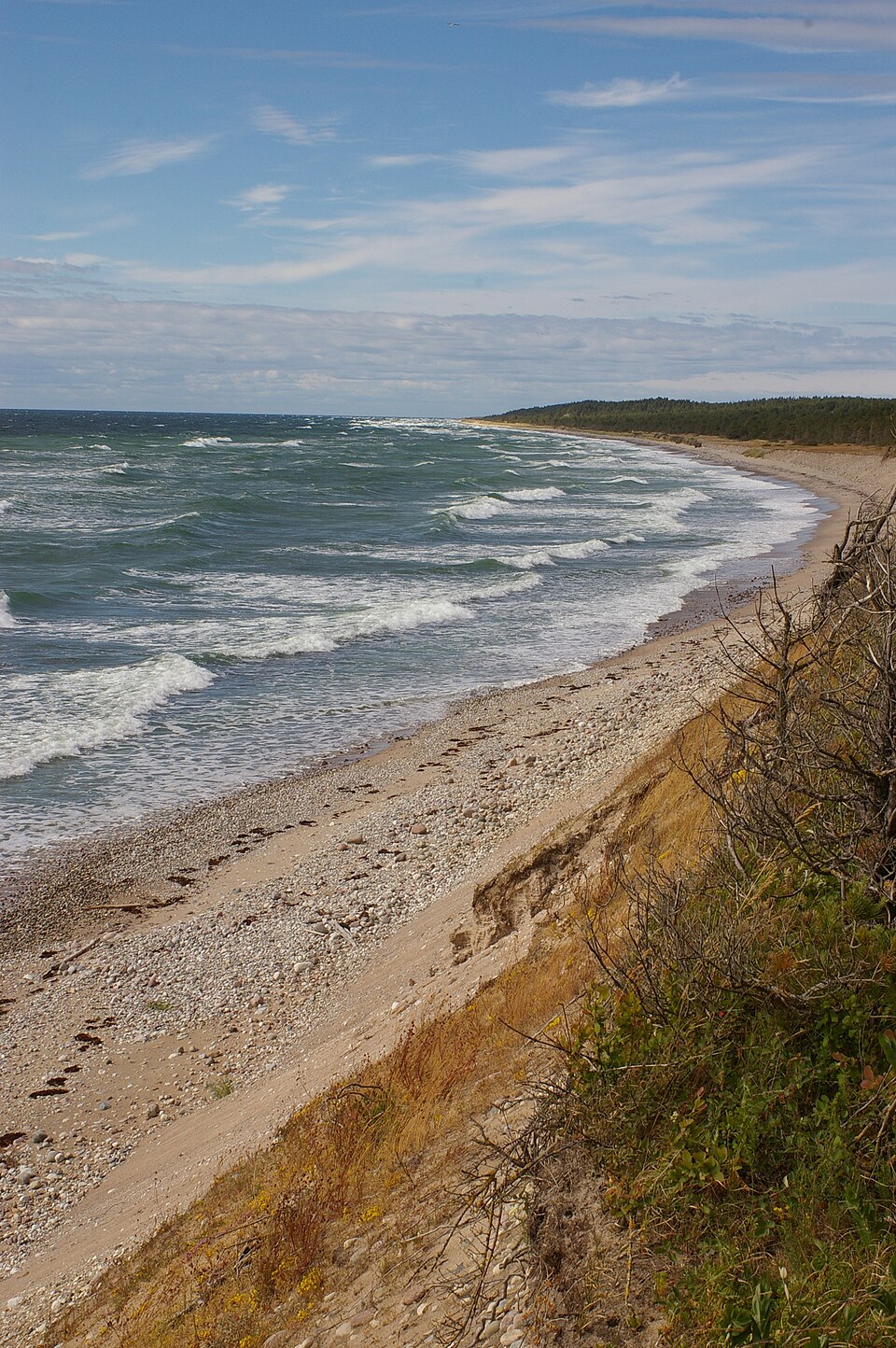
Gotska Sandön is an island without a harbour, making the landing itself an important part of trip planning. Summer passenger boats operate from Nynäshamn or Fårösund and must be booked in advance.
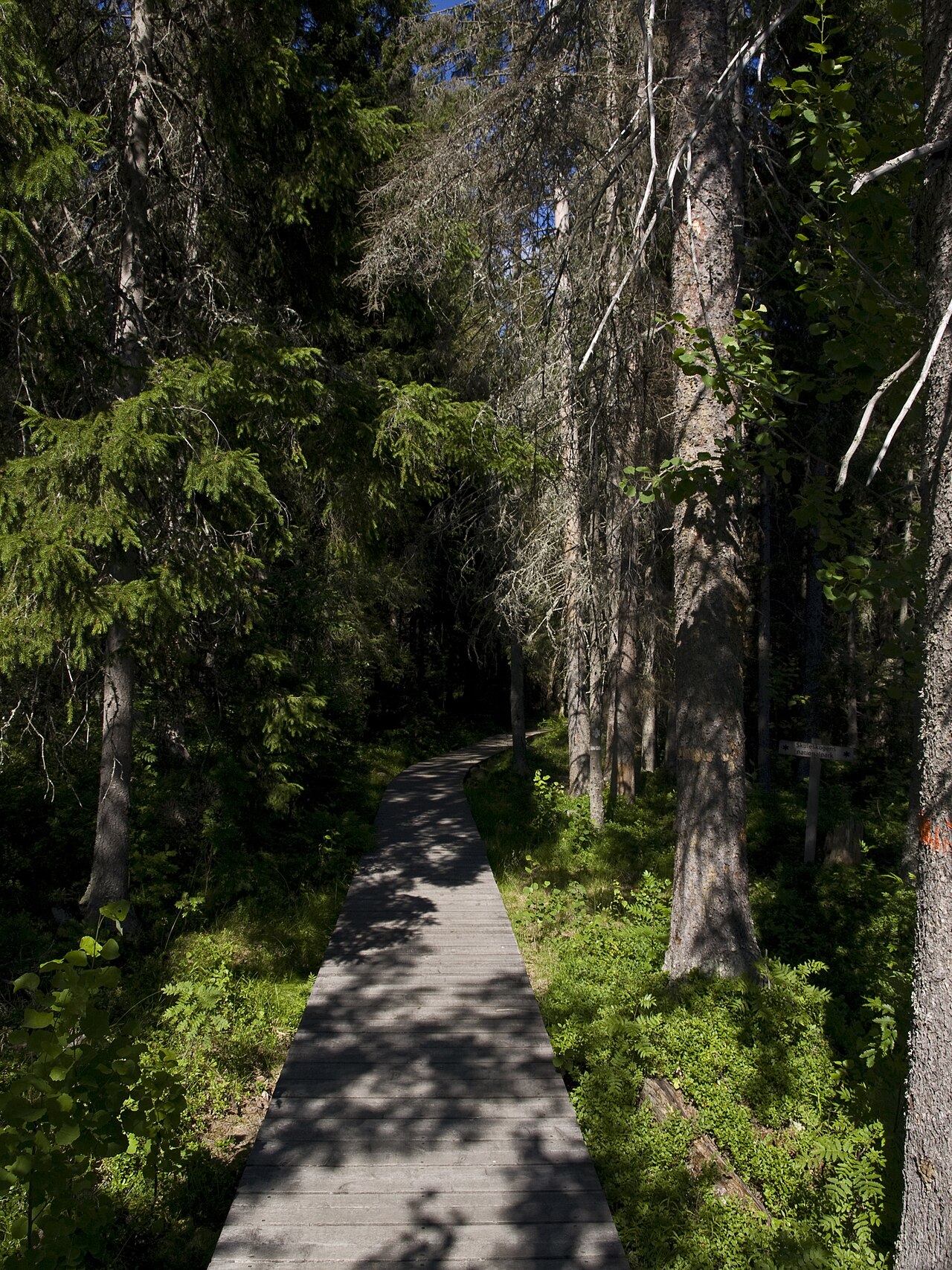
Skuleskogen lies within the High Coast World Heritage area and has three entrances. Terrain can be demanding, so route choice should reflect weather and personal ability rather than distance alone.
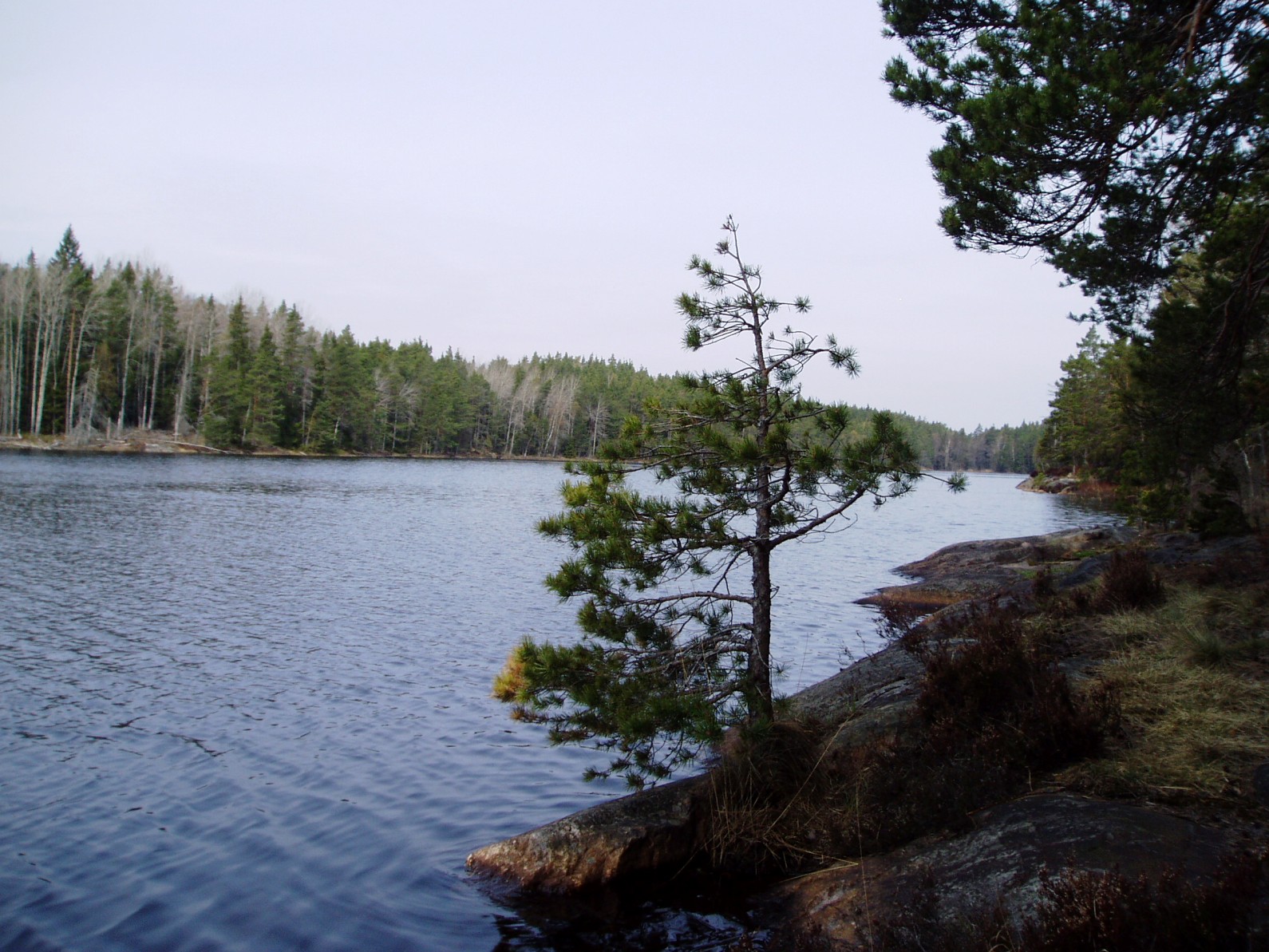
Tyresta lies close to Stockholm and can be reached by public transport or car. Its main entrance at Tyresta village has a visitor centre and accessibility-adapted services, making the park relatively easy to start exploring.
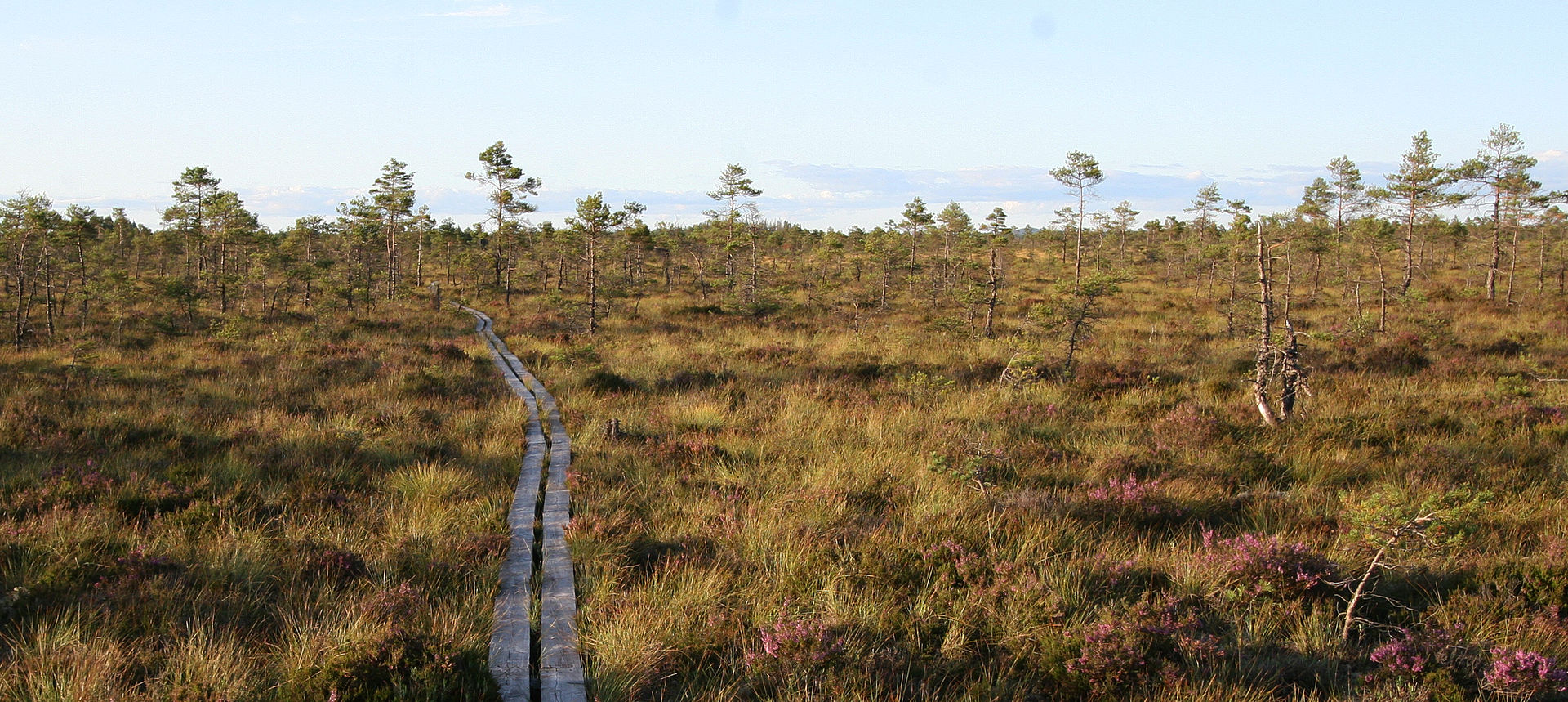
Store Mosse has several entrances and an accessibility-adapted main visitor area by Naturum. The park also has specific rules on camping, fires and dogs that differ from what visitors may expect under Sweden’s Right of Public Access.