

ENSV
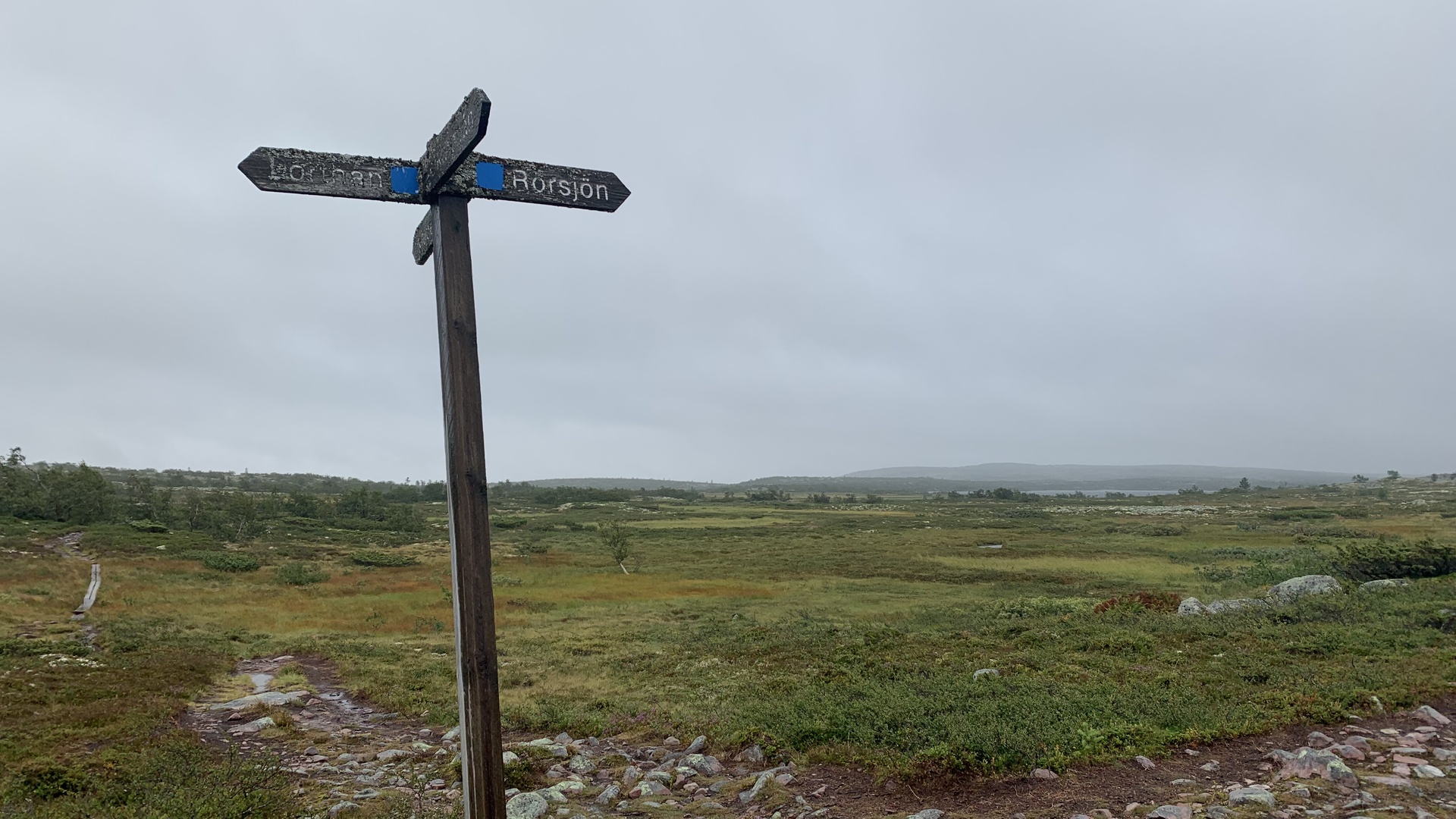
The Right of Public Access also applies in protected areas, but local rules can be stricter or otherwise different. Always check the regulations for the specific national park or nature reserve you plan to visit.
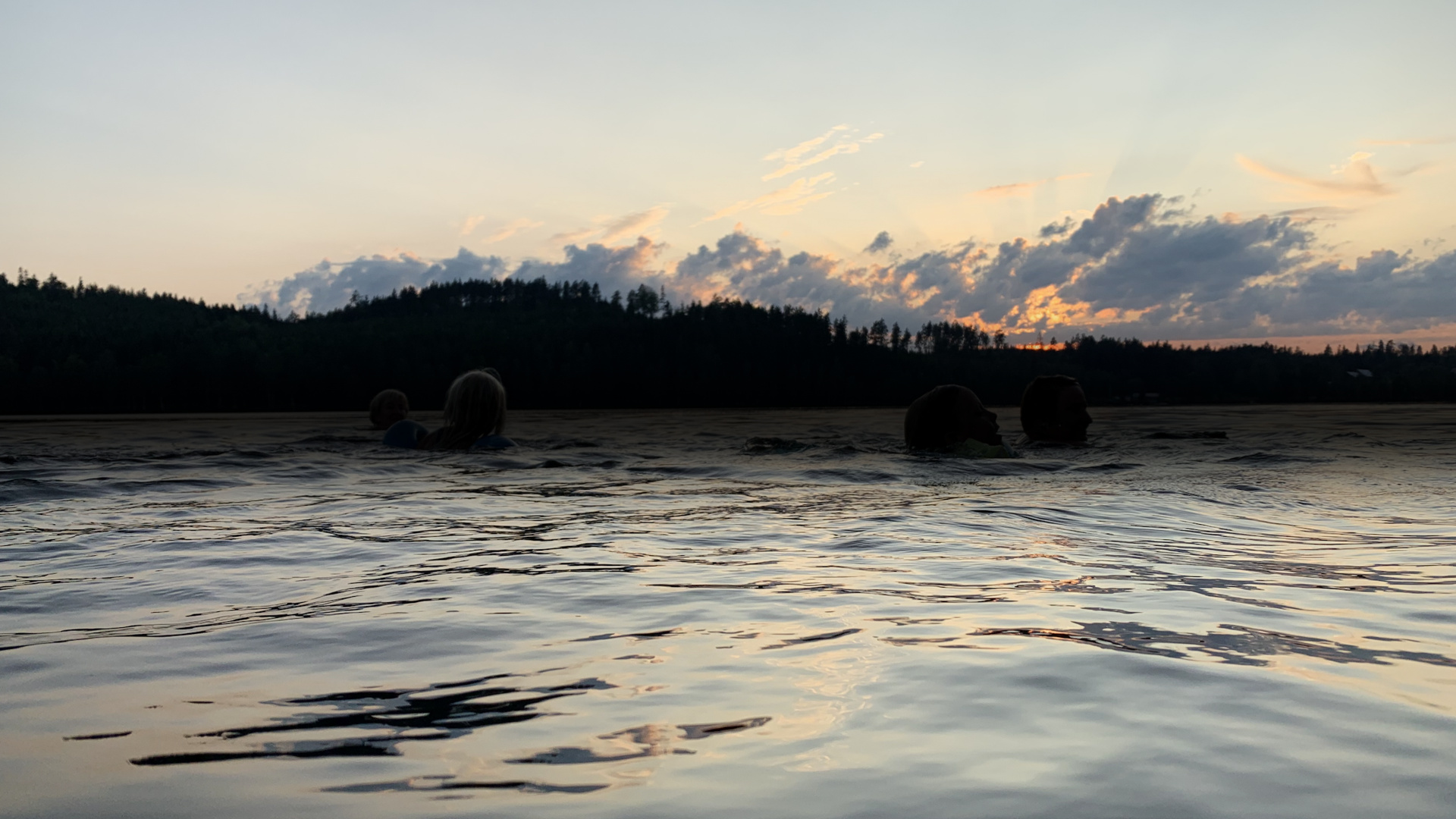
Sweden’s Right of Public Access allows swimming from many shores and rocks, but not inside someone’s private residential area. Consideration for residents, wildlife and local rules is essential.
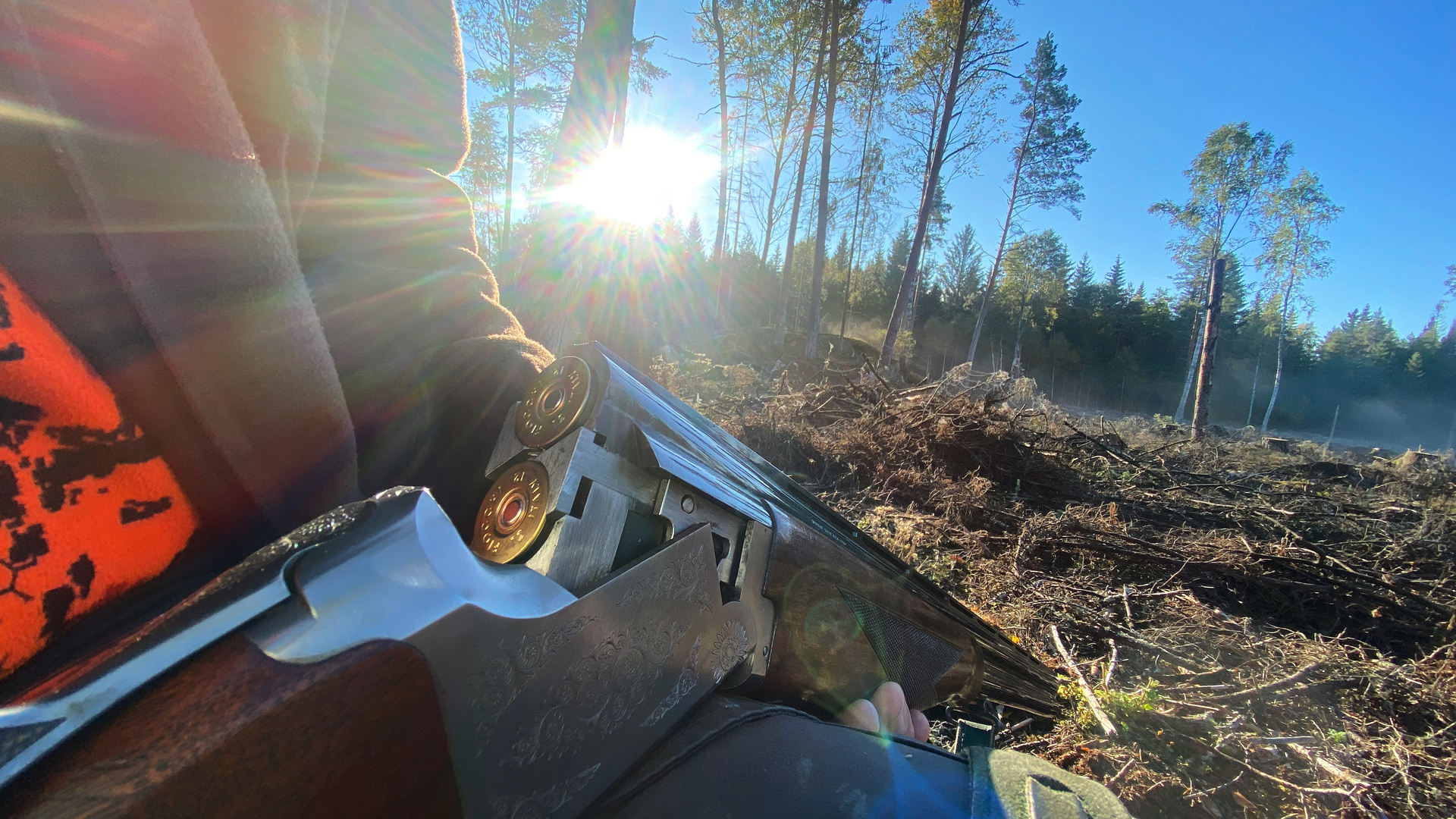
The Right of Public Access continues to apply when hunting is taking place, but you may not deliberately obstruct or disrupt the hunt. Extra consideration is appropriate when you notice hunting activity.
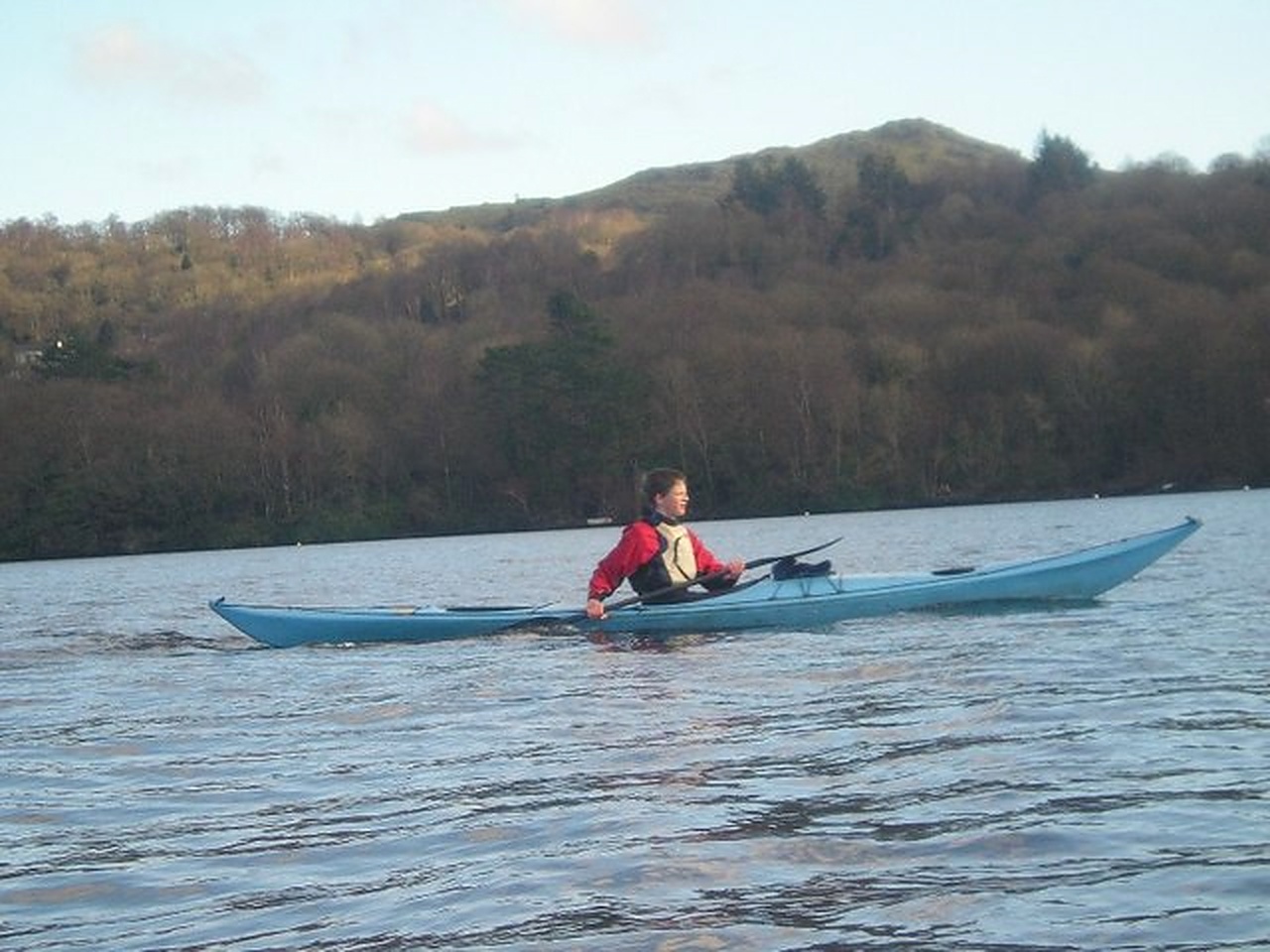
A first kayaking trip should focus on control and safety rather than distance. The Swedish Canoe Federation recommends a properly fitted approved buoyancy aid, paddling with others, matching the trip to experience and conditions, and dressing for water temperature.
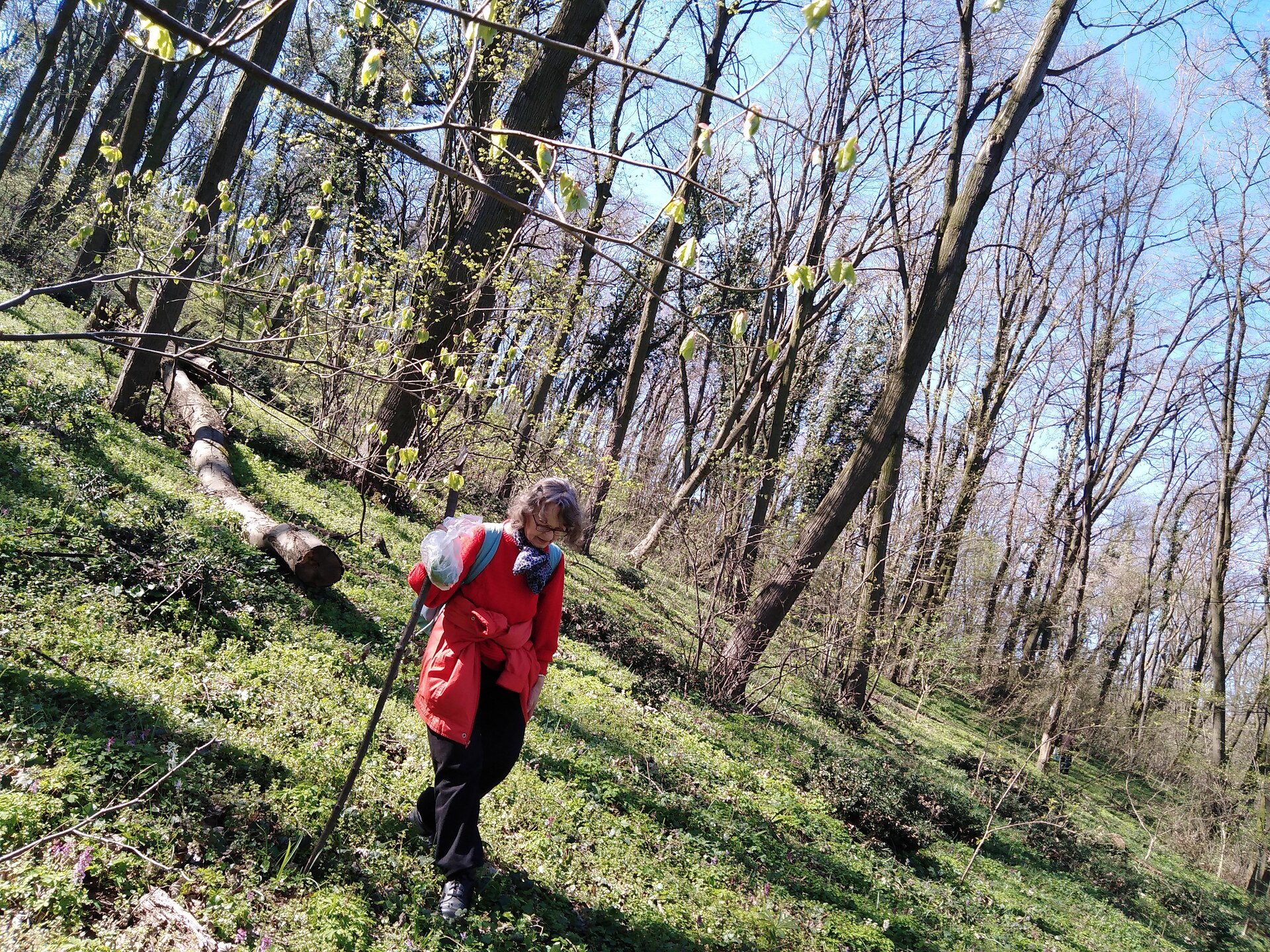
Safe mushroom picking starts with confident identification, not with filling the basket. Eat only mushrooms you know for certain are edible and also check local rules in protected areas.
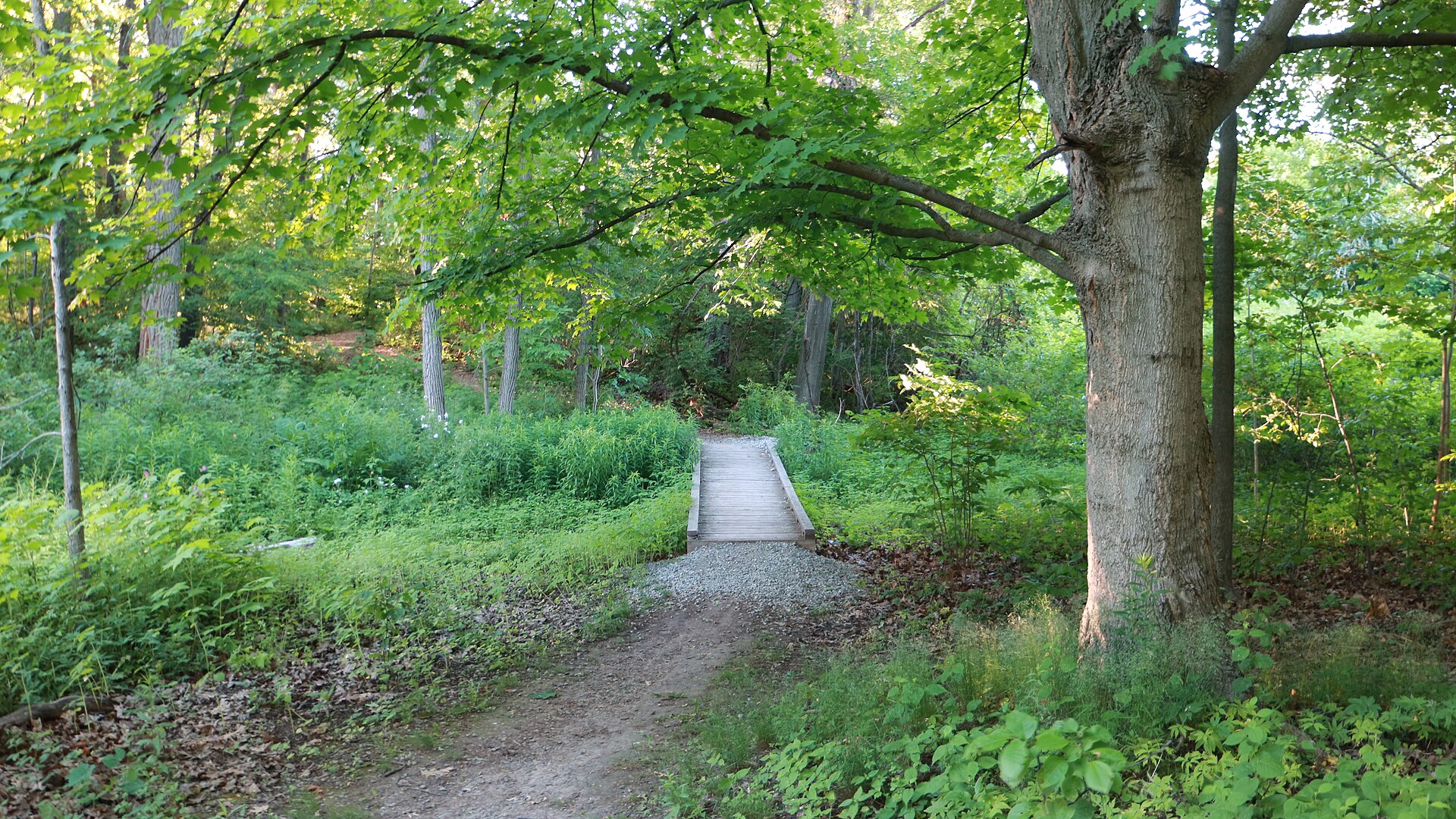
Hiking with children works best when the outing is built around the children’s pace and experience rather than an adult distance target. Prepare them in advance, keep the route flexible and allow plenty of time for breaks and discovery.
A good day trip does not need to be long. Choose a route that fits the group, check local rules and current conditions, and carry enough margin in time and equipment to change the plan if needed.
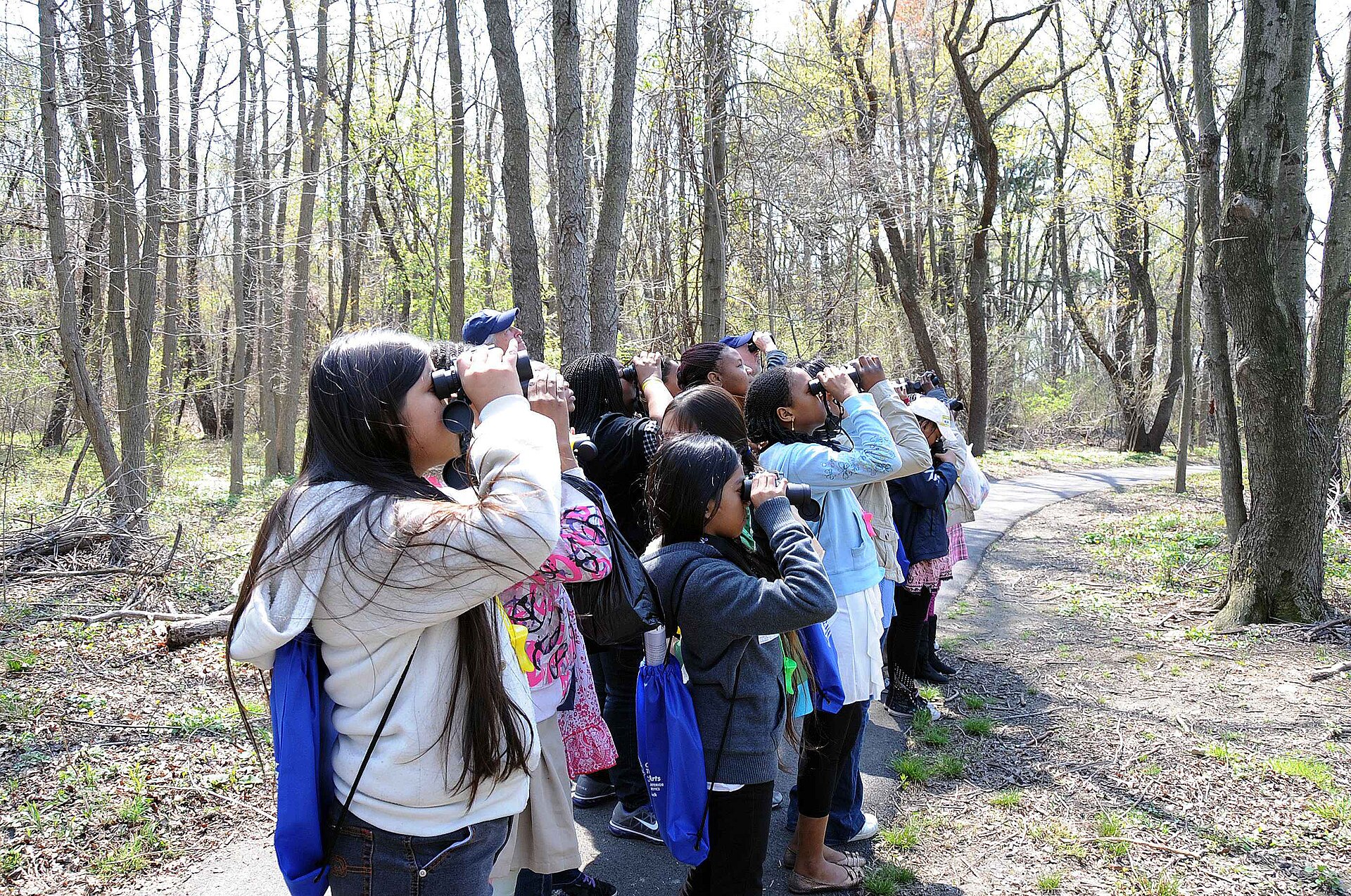
Good wildlife watching does not require getting close. Keep your distance, leave young animals alone and keep dogs under control. If an animal changes behaviour or moves away, increase your distance.
The Right of Public Access also applies on water. You may swim, paddle and travel by boat, but must keep distance from homes, nesting birds and protected areas.
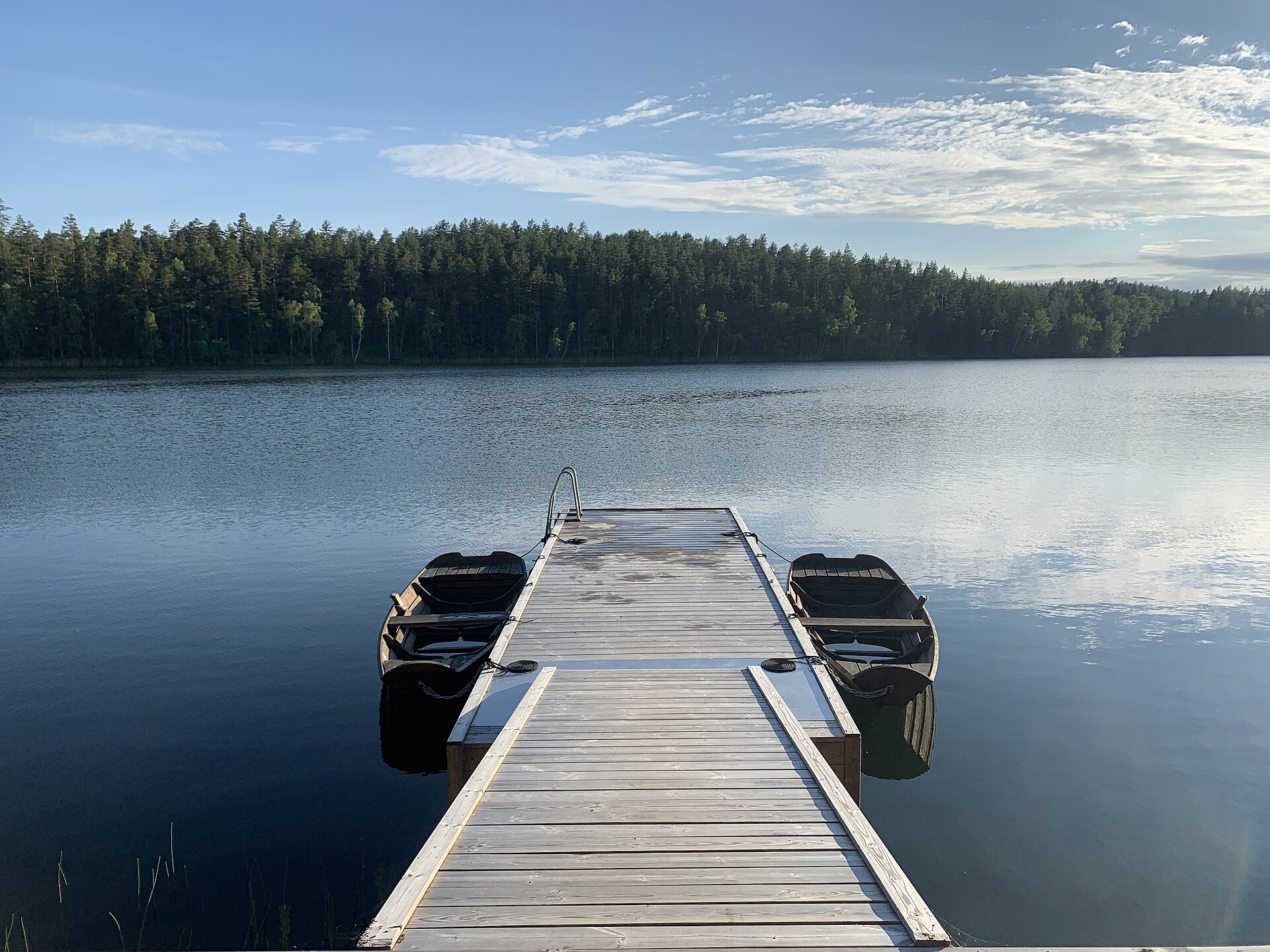
You may temporarily use a jetty or shore outside someone’s private residential area, but the owner’s need to use their jetty takes priority and you must keep respectful distance from the home.
Cycling is covered by Sweden’s Right of Public Access, but wheels can cause more ground wear than walking. Choose dry, durable surfaces, avoid muddy trails and slow down around other visitors.
Sweden’s Right of Public Access allows broad movement through nature, but not inside the privacy zone around homes. There is no fixed distance in metres; terrain, visibility and the situation determine how much space to leave.
Dogs are welcome in Swedish nature, but must always be controlled. From 1 March to 20 August extra supervision is required because many wild animals are raising young.
Horse riding is covered by Sweden’s Right of Public Access, but a horse’s weight increases the risk of ground damage. Choose firm surfaces, avoid wet ground and check local rules for trails and protected areas.
Sweden’s right of public access makes short stays in a tent possible in many places, but not everywhere and never without consideration for residents, landowners and nature.
Sweden’s right of public access does not give an automatic right to light a fire. Check fire restrictions first, choose a safe surface and make sure the fire is completely extinguished.
Your first Swedish mountain hike does not need to be long. Start with a route that matches your experience, follow a marked trail, carry map and compass, prepare for rapid weather changes and leave a route plan with someone.
Cooking outdoors does not have to mean an open fire. A camping stove is often the simpler option, especially in dry conditions or sensitive environments. Always check fire bans and local rules.